

-
Is Sterling Silver Jewelry Worth the Price Or Are You Overpaying?
If you’re questioning whether sterling silver jewelry is worth the price, you’re not being cheap you’re being smart. This guide explains when sterling silver is truly worth paying for, when it’s overpriced, and how to avoid paying the wrong price for similar-looking pieces. -
Sterling Silver Jewelry for Everyday Wear How to Avoid Buying Pieces That Won’t Last
Sterling silver can handle everyday wear if it’s real and well-made. This guide explains how to avoid plated pieces, understand normal tarnish vs damage, and choose silver jewelry that lasts without unnecessary replacements. -
High Quality Custom Jewelry Gold and Silver
 Peter Stone emphasizes the profound impact that words have on shaping our lives, thoughts, and actions. He asserts that the words we think and live by essentially sculpt our reality. To help individuals remain mindful and centered with their chosen words, he has created a specialized line of jewelry made from sterling silver, fine gold, and tri-color materials. These pieces—bracelets, pendants, charms, and rings—serve...
 -
Unlocking Business Value Through Gold Jewelry Sales – A Strategic Opportunity
 In this chapter, we explore the critical topic of gold as a valuable commodity and its resurgence in the jewelry market, especially as a strategic asset for businesses seeking to add value to their offerings and increase profitability. The discussion centers on the evolving trends in precious metals, the economic forces influencing gold’s value, and how businesses—particularly jewelry retailers—can leverage gold sales to enhance customer appeal, secure revenue streams,...
 -
The Power of Simplicity in Jewelry Sales and Business Growth
 In this chapter, Peter Stone presents a compelling exploration of simplicity as a strategic principle in sales, particularly within the jewelry industry. At first glance, simplicity appears straightforward, yet Stone emphasizes that achieving true simplicity is often complicated due to entrenched complexities introduced by external factors—such as industry practices designed to increase consumer spending and the overabundance of unnecessary options. Stone’s discourse aims to dismantle the myth that...
 -
The Power of Gratitude and the Rising Value of Gold in Modern Commerce
 This chapter explores the intertwined themes of gratitude and the economic significance of gold, as presented by Peter Stone in a reflective discourse delivered on Thanksgiving Eve. The essence of this content lies in fostering a mindset of thankfulness—especially during challenging times—while simultaneously examining the robust position of gold in the current financial landscape.
 -
Stimulus Scale-up
 The transcript highlights the current state and market potential of gold jewelry, as shared by a speaker, Peter Stone. He emphasizes the stability and increasing popularity of gold, citing historical trends and personal anecdotes to illustrate the lucrative nature of investing in gold jewelry sales
 -
Custom Jewelry Design - How To Create A Unique Piece Of Fine Gold Jewelry ?
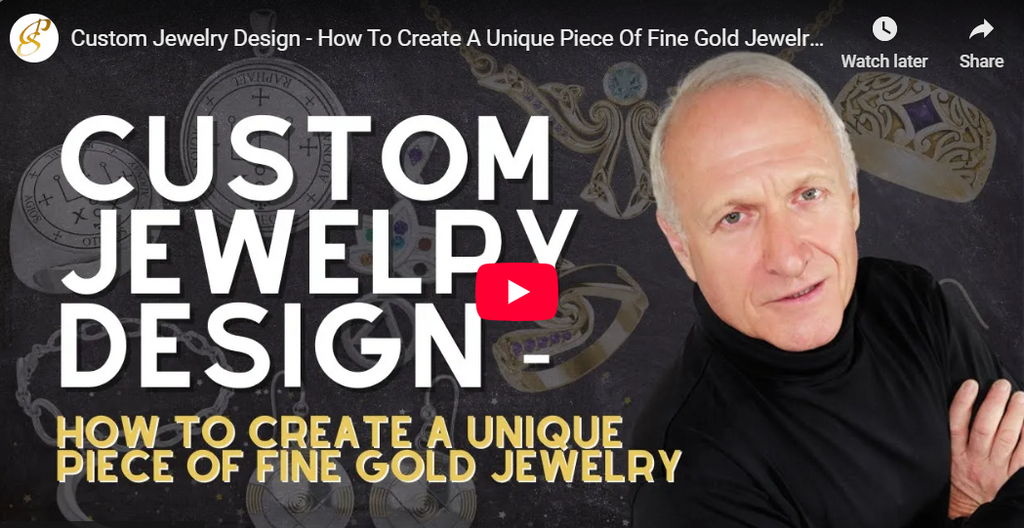 The session introduces various jewelry brands under Peter Stone, such as Dive, Silver Magic, Symbols, and Tingles Celtic Lines, emphasizing uniqueness in their themes and craftsmanship.
 -
The Power, Symbolism, and Value of Gold Jewelry – A Journey with Peter Stone
 In this chapter, we explore the multifaceted world of gold jewelry, as presented by Peter Stone, a seasoned jeweler and entrepreneur with over 35 years of experience. The core theme revolves around the energy and symbolism embedded in jewelry, particularly gold, and its profound impact on the wearer’s vibration, self-worth, and financial security. Jewelry is not just ornamental; it is a vessel of vibrational energy, cultural symbolism, and...
 -
The Power and Significance of Gold Jewelry: Elevating Energy, Value, and Life
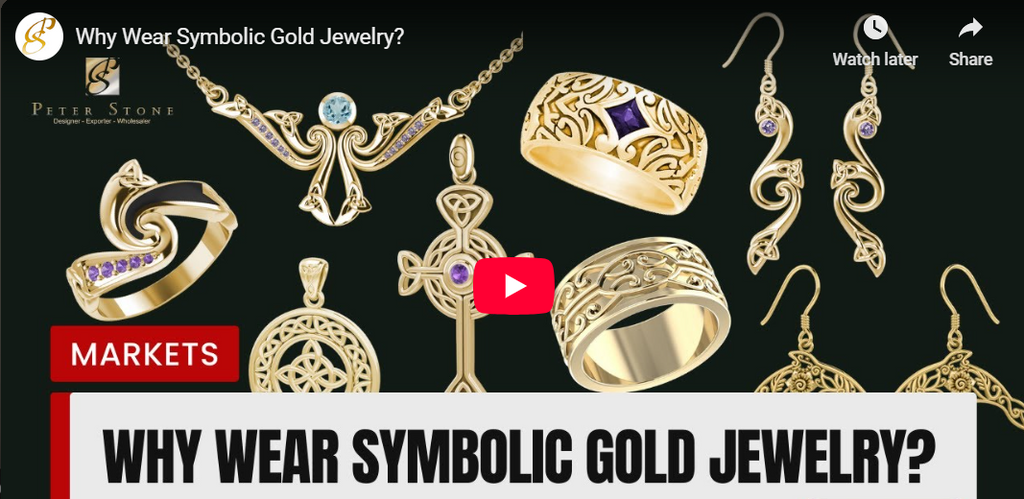 In this chapter, we explore the multifaceted significance of gold jewelry, as presented by Peter Stone, a seasoned expert in jewelry design and energy symbolism. Gold is not merely a precious metal; it is a symbol of wealth, energy, and spiritual elevation. Jewelry, especially gold, carries profound vibrational energy, connecting the wearer to historical traditions, personal empowerment, and financial security. This chapter delves into the concepts of vibration,...
 -
Topic of the day: The BEST NO COST METHOD to add Gold Jewelry to your Sterling Silver Jewelry sales
 Peter Stone from Peter Stone Jewelry opens by sharing his extensive experience in the jewelry industry, spanning over 30 years. He has owned 15 retail stores and operated wholesale, importing, exporting, and now runs a factory in Thailand. His comprehensive knowledge covers every business aspect, including customs, documentation, and product quality control. The factory was established not just for cost-saving but to ensure superior...
 -
Simplifying Success in Jewelry Sales – The Peter Stone Gold Program Approach
 In the realm of jewelry sales, simplicity often appears deceptively complicated. Peter Stone opens this discourse by addressing a common psychological barrier: the tendency to overthink solutions and dismiss simple strategies as insufficient or naive. This chapter explores how embracing simplicity, particularly through the Peter Stone Gold Program, can unlock significant business growth. It challenges the entrenched notion that success requires complex systems, arguing instead for clarity, focus,...
 -
Revitalizing Jewelry Sales Post-Holiday Slumps: Strategies for Growth and Market Adaptation
 In the competitive world of jewelry and gift store sales, many retailers experience a decline in holiday sales performance compared to previous years. This phenomenon, often marked by lackluster sales, can be attributed to various factors, including increased competition and consumer hesitation. The significance of addressing this downturn lies in the necessity for businesses to recover lost revenue and position themselves for sustained growth. The core strategy discussed centers on the concept of “showing...
 -
Boost Your Earnings with Online Gold Jewelry Sales!
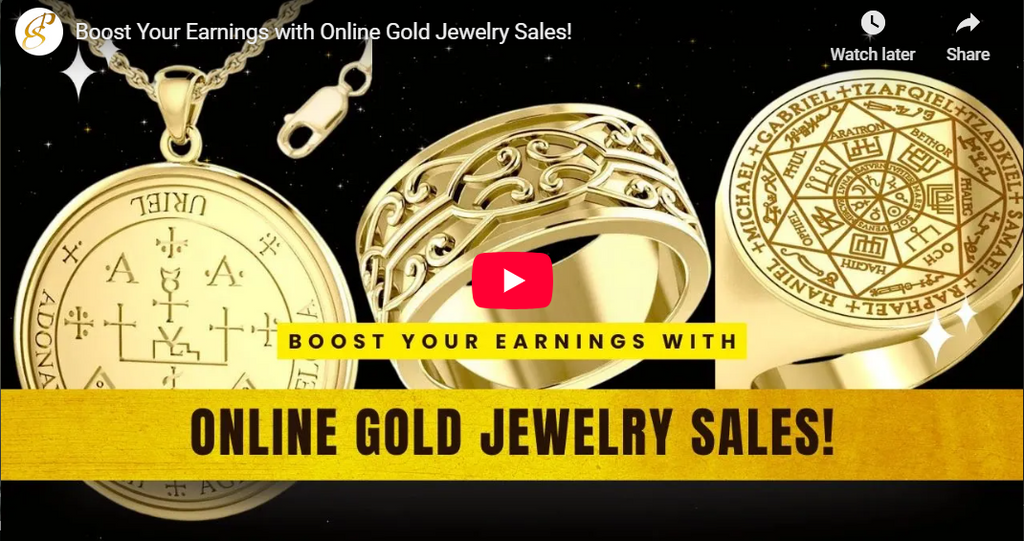 In this video, the speaker outlines the advantages of incorporating gold jewelry into one’s business strategy, specifically through Peter Stone Jewelry’s dropshipping and gold system models. The speaker extends warm greetings to viewers across different time zones and highlights the growing demand for gold jewelry in comparison to previous years. Businesses currently experiencing improved sales, particularly in gold, are encouraged to adopt either the...
 -
5 TIPS TO INCREASE YOUR JEWELRY SALES
 The speaker discusses the importance of engaging customers in conversations about sales while observing how jewelry is laid out. They highlight that this interaction can yield insights into the effectiveness of store displays and product accessibility.
 -
Strategic Business Growth and Inventory Management in Jewelry Retail: Insights from Peter Stone
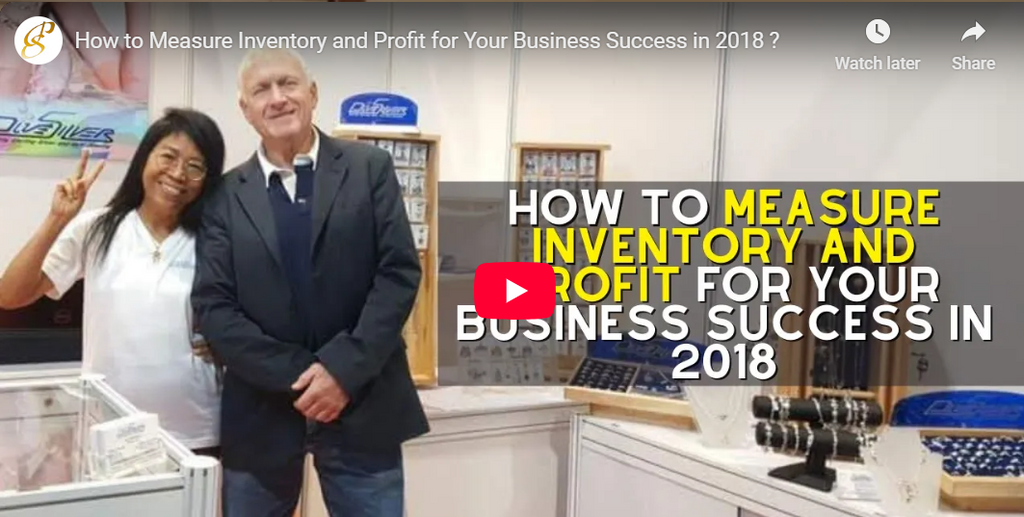 In this chapter, we explore the comprehensive insights shared by Peter Stone, an expert jeweler and business strategist, focused on boosting sales and optimizing business operations for jewelry retailers. Stone’s message is timely and significant as it addresses the pivotal role of inventory management, sales strategy, and online presence in thriving retail businesses, specifically within the sterling silver jewelry market. His approach combines practical business tactics, market trend...
 -
General Jewelry Displays
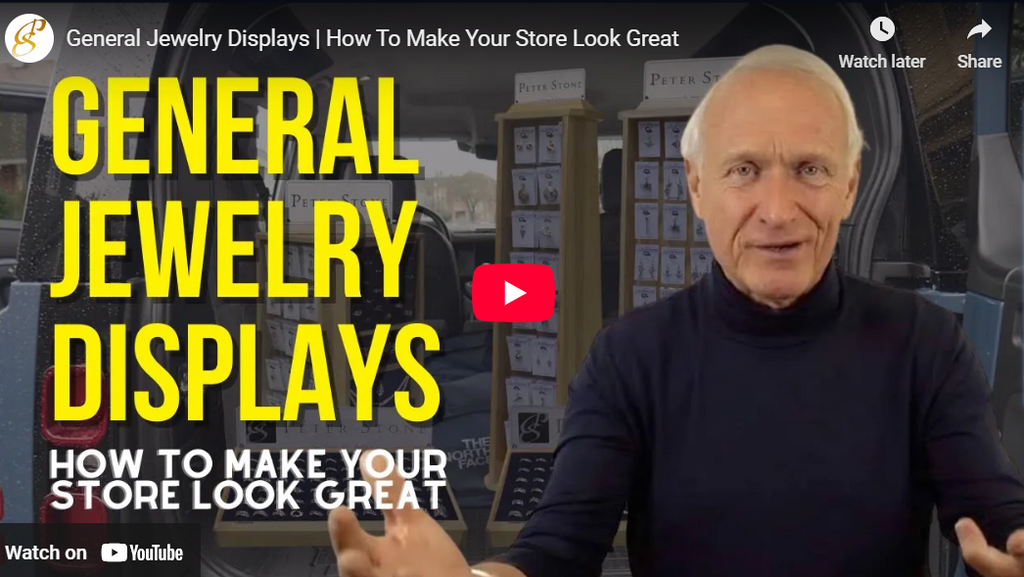 n this video, the speaker discusses the importance and benefits of utilizing display programs for jewelry stores, particularly emphasizing Peter Stone’s product line. He highlights how well-designed displays not only enhance the aesthetic appeal of jewelry but also contribute to increased profits by bringing confidence to the brand and improving customer interaction. The speaker elaborates on various rubberwood displays that Peter Stone offers, focusing...
 -
Strategic Investment of Stimulus Checks in the Jewelry Resale Business
 In the wake of widespread government stimulus checks, millions of individuals have found themselves at a crossroads: how best to deploy this unexpected financial resource. Peter Stone, founder of Peter Stone Jewelry since 1987, addresses this timely question by exploring a strategic approach to using stimulus funds, particularly emphasizing the potential for business growth through investment rather than mere spending.
 -
How to scale up your business to have a truly Successful Sales Increase
 Peter Stone emphasizes that generating business, particularly in jewelry, requires more effort and time than money. He argues that one can start a jewelry business without significant initial capital, provided they have internet access and an understanding of online presence.
 -
Building a Successful Jewelry Business with Peter Stone
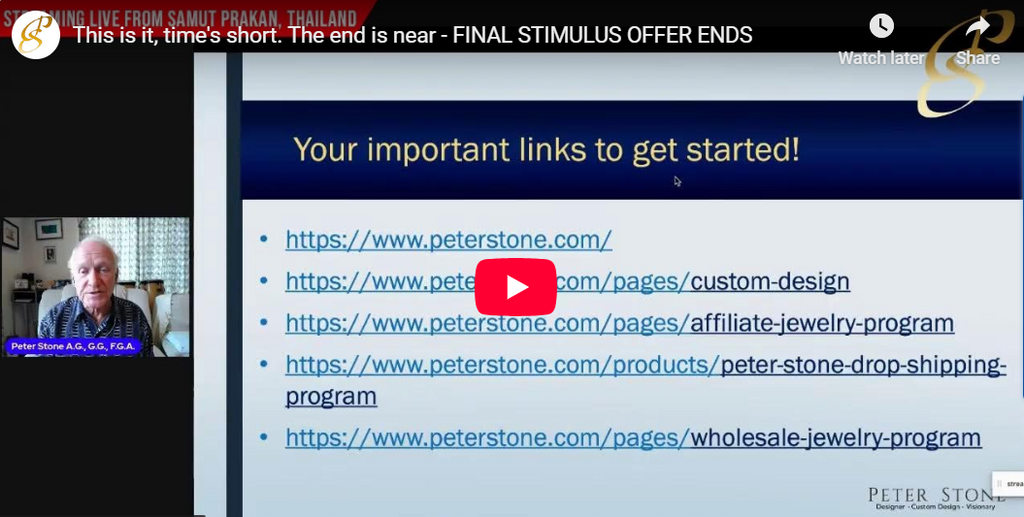 This chapter explores the comprehensive journey of building a successful jewelry business, as shared by Peter Stone, founder of Peter Stone Jewelry, a company with over three decades of experience in crafting meaningful, culturally rich jewelry. The discussion highlights not only the artistic and spiritual values embedded in jewelry but also the practical business strategies necessary to thrive in today’s competitive market.

















